
Marketing
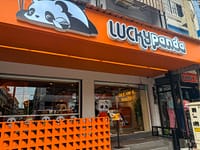
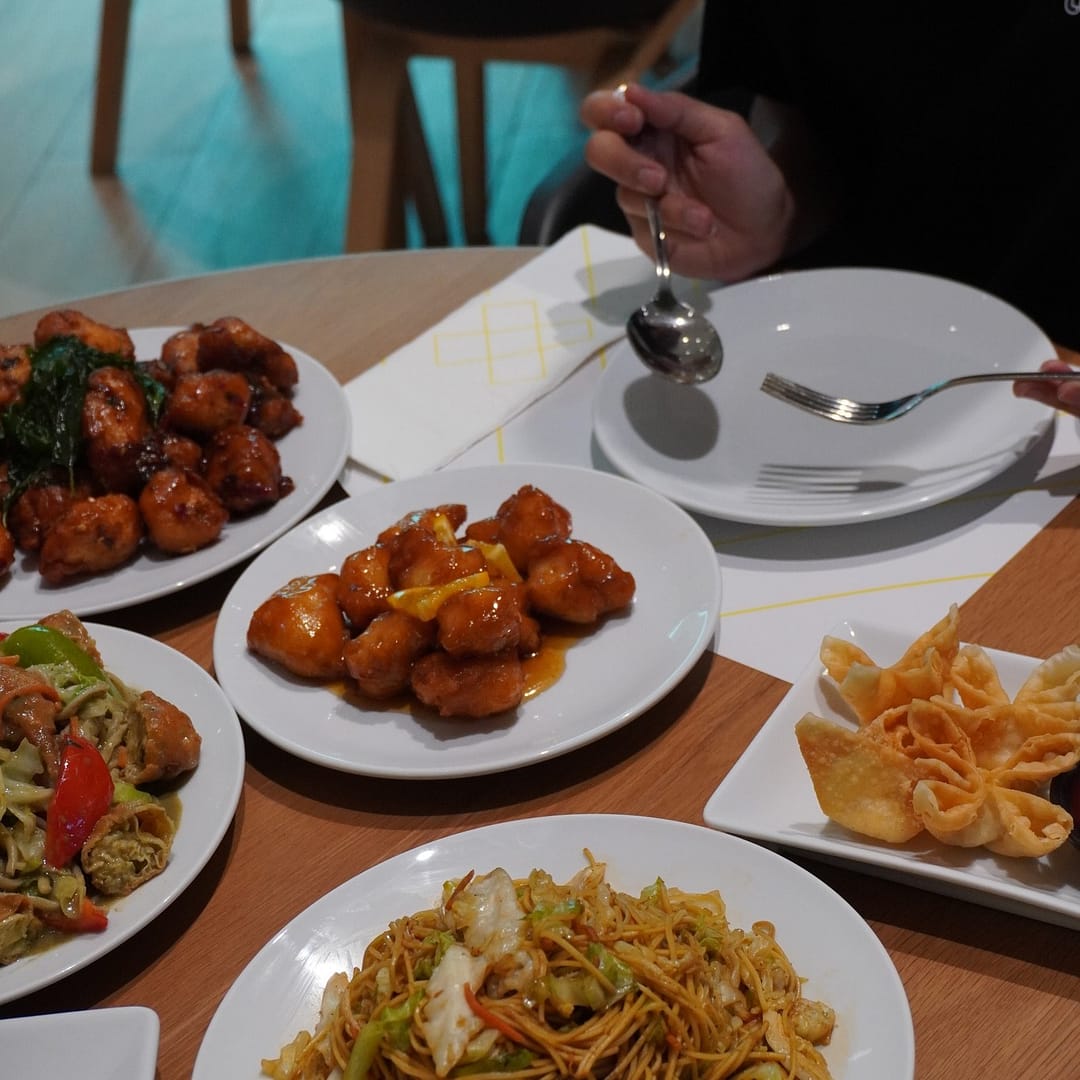
Lucky Panda worked with Tonight Media to establish a clear and recognisable presence across digital platforms, with a focus on making the brand easy to understand at first glance. The marketing approach centred on showing what Lucky Panda actually offers day to day, from casual dine-in meals to delivery-friendly dishes, without over-styling or exaggeration. Content was built around real menu items, in-store visuals, and customer behaviour rather than abstract brand messaging.
Social media became the main touchpoint, used consistently to communicate menu updates, promotions, and everyday dining moments. Paid ads were introduced to support visibility around new items and limited-time offers, while website articles were developed to improve search visibility for people actively looking for Asian food options nearby. Thai and English content was handled in parallel to reflect the mix of local and international diners.
Alongside owned channels, Tonight Media supported awareness through food communities and review-driven exposure, allowing Lucky Panda to appear in places where people already discuss where to eat. This helped the brand grow familiarity naturally, reinforcing recognition through repetition rather than one-off campaigns.
Scope of Work
Tonight Media managed Lucky Panda’s ongoing marketing work across social media, paid ads, and online content. This covered planning weekly and monthly posting schedules, writing Thai and English captions, selecting and briefing visuals, and publishing content that accurately reflected the restaurant’s menu, pricing, and dining experience. Content was adjusted based on real engagement and customer responses, not preset templates.
Advertising support focused on practical outcomes such as promoting new menu items, increasing delivery visibility, and reminding nearby audiences about the restaurant’s location. Campaigns were set up, monitored, and refined internally, with changes made to targeting, creatives, and copy when performance showed signs of drop-off or audience fatigue.
Tonight Media also handled online visibility beyond social platforms. This included writing search-focused articles for the website, sharing approved content in food and lifestyle groups, and tracking customer reviews and comments. Feedback from these channels was used to guide future content choices, helping marketing stay aligned with how customers actually discovered and talked about Lucky Panda.
Media Rollout
The media rollout for Lucky Panda focused entirely on social platforms where food discovery and dining decisions actually happen. Facebook and Instagram were used as the primary channels, with content scheduled consistently to keep the restaurant visible without feeling repetitive. Instagram emphasized food visuals, short videos, and menu highlights, while Facebook supported longer captions, customer feedback, and local reach within nearby dining communities.
Paid exposure was applied selectively rather than continuously. Boosted posts supported key moments such as new menu items, promotions, and delivery-focused campaigns. Instead of pushing every post, ads were layered onto content that already resonated organically, allowing reach to expand while keeping engagement natural and credible.
Community-driven visibility played a strong role in the rollout. Posts and reviews were shared into relevant food and lifestyle Facebook groups, helping Lucky Panda reach new audiences through peer recommendation rather than direct advertising. This approach reinforced trust and discovery, especially among users actively searching for dining options rather than passively scrolling ads.
Tools and Execution Approach
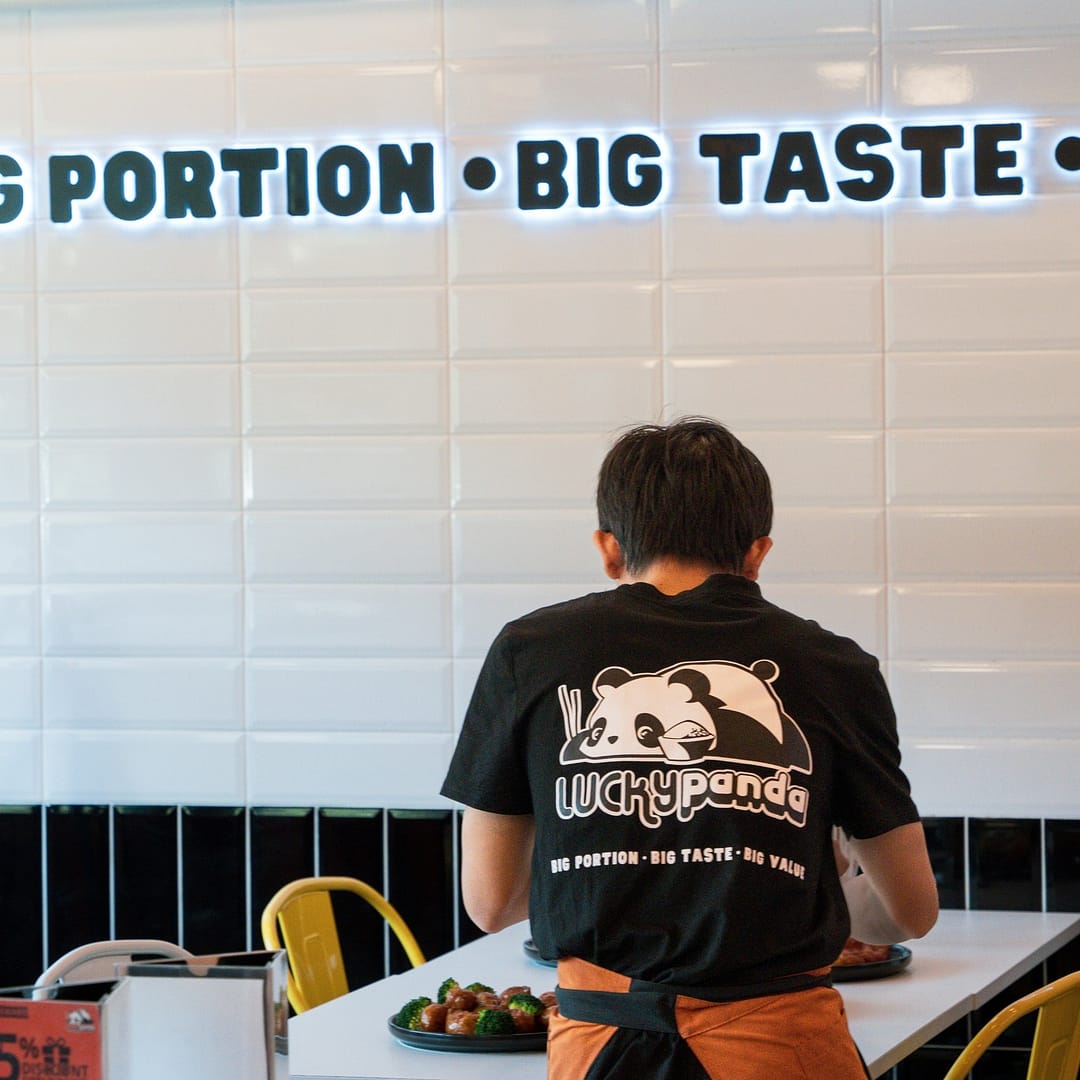
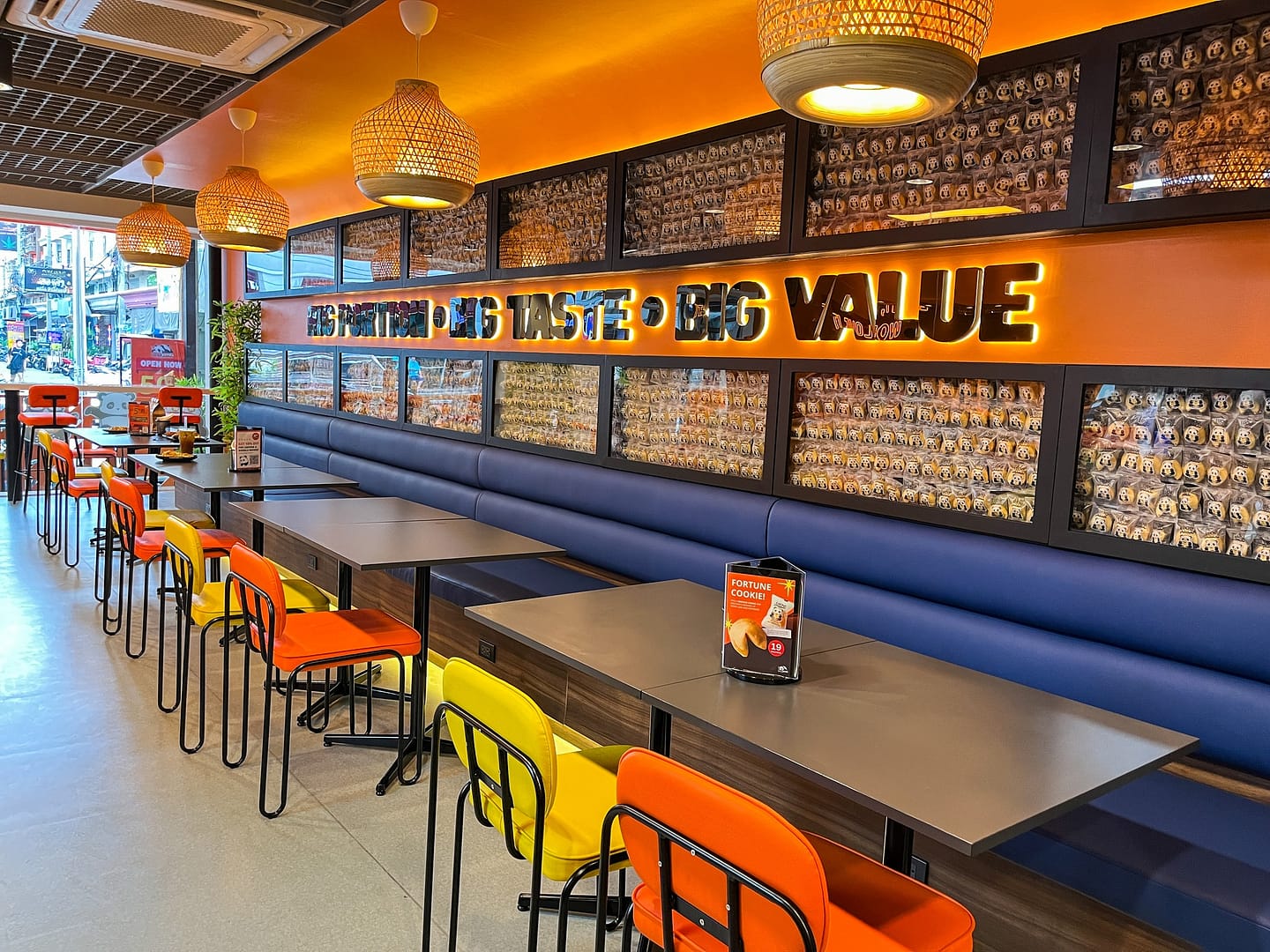
Execution centered on hands-on content production and tight control over publishing quality. Visuals were planned around real dishes, real portions, and actual in-store presentation rather than styled or stock-heavy imagery. Photo and short video content was captured with mobile-first framing in mind, ensuring everything worked naturally for Instagram and Facebook feeds. Captions were written separately for each platform instead of reused, with tone adjusted to fit how people actually read food content on each channel.
On the paid side, ads were handled directly through Facebook Ads Manager using small, controlled budgets. Targeting focused on location radius, dining interests, and delivery behavior rather than broad interest stacking. Campaigns were tested in short cycles, with underperforming creatives paused quickly and stronger posts reused for additional reach. This kept spend efficient and prevented overexposure while still supporting visibility during key periods.
Day-to-day execution also included active monitoring of comments, messages, and repost opportunities. Customer posts and reviews were reshared when appropriate to reinforce social proof, while feedback was observed to guide future content direction. Adjustments were made continuously based on response patterns, allowing the marketing to evolve with audience behavior instead of following a fixed template.
Campaign Results
The campaign helped Lucky Panda build steadier visibility across social platforms, with clearer recognition around its menu and dining concept. Regular posting and consistent visuals made it easier for audiences to identify the brand in their feeds and associate it with specific dishes rather than generic food content.
Paid support contributed to stronger reach during key promotion periods, particularly when highlighting new items or limited offers. Posts supported by ads generated more saves, shares, and direct messages, indicating higher intent compared to organic-only content. Engagement quality improved over time as targeting and creative direction were refined.
From an operational perspective, the collaboration created a more structured marketing rhythm for the brand. Content planning, ad testing, and audience interaction became more predictable and manageable, giving Lucky Panda a repeatable approach it could continue using for future promotions and menu updates.
Results
Over time, Lucky Panda developed a more stable and recognizable presence online. Audiences became familiar with the brand’s visuals, menu items, and posting style, which reduced confusion and helped people quickly understand what the restaurant offered when encountering its content.
Customer interaction became more natural and consistent. Comments and messages increasingly focused on menu questions, delivery options, and visit planning rather than basic clarification, showing that core information was landing clearly. Reposts from customers and organic mentions also increased, reinforcing credibility without relying heavily on paid visibility.
From a working standpoint, the brand moved away from irregular, reactive posting toward a clearer and more controlled marketing routine. This made it easier to plan promotions, introduce new items, and maintain visibility without overposting or relying on short-term tactics.